Surin National Museum
A Center of Cultural Heritage of Southern Isan
พิพิธภัณฑ์สถานแห่งชาติสุรินทร์
It is located in Nok Mueang Subdistrict, Mueang Surin District, Surin Province.

It is an important center for learning about the history and culture of the Lower Northeastern region of Thailand, established to collect, preserve, and exhibit antiquities, art objects, and stories that reflect the unique identity of the people of Surin.
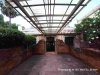
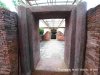
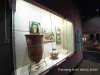
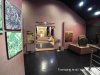
The museum reveals the way of life and traditional wisdom of various ethnic groups in the region, especially the Kuy (Suay) people, who have shared a deep and enduring bond with elephants for hundreds of years. Visitors can closely explore the history, local culture, and invaluable intellectual heritage in a modern yet warm and welcoming atmosphere.
Significance of the Museum
This museum is not only a place for preserving archaeological artifacts, but also serves as a “window” into the stories of people from the past who collectively shaped the development of Surin. Through its well-organized, engaging, and visitor-friendly exhibitions, it offers meaningful experiences for audiences of all ages.
The exhibitions inside the building are divided into several main zones, covering topics such as history, archaeology, art, local culture, and the way of life of various ethnic groups. The displays emphasize visitor engagement and communicate through easy-to-understand multimedia presentations.

Highlights Inside the Museum
The Surin National Museum is a center for the province’s history, culture, and ethnic heritage, with particular emphasis on the Kuy (Suay) people, who have shared a long-standing bond with elephants. The museum features antiquities, art objects, lifestyle exhibitions, and local handicrafts, allowing visitors to learn about history, culture, and traditional wisdom in a modern and welcoming atmosphere.

Prehistoric Artifacts
The exhibition displays artifacts excavated in Surin Province, such as stone tools, bronze tools, beads, and pottery dating back thousands of years. These items illustrate early human settlement in the area and the development of indigenous technologies.

The Way of Life of the Kuy People – Elephant Handlers
The Kuy ethnic group has shared a long-standing bond with elephants. This exhibition presents their way of life, beliefs, and rituals, such as elephant care, elephant ordination, rites honoring elephant masters, and the role of the mahout elders, who are responsible for caring for and guiding elephants within the community.

Ancient Khmer Art
Surin was once under the influence of the ancient Khmer Empire, and this exhibition therefore presents artifacts characteristic of Khmer art, such as decorative pillars, pediments, ornaments, and Shiva lingas. These items were discovered at various archaeological sites in the area, including Sikhoraphum Sanctuary and Prasat Ban Phluang, among others.

Exhibition on the Identity of Surin Province
The exhibition features reconstructions of traditional local Thai houses, depicting daily life, agricultural practices, and handicrafts such as silk weaving and silverwork, which represent the local wisdom of the people of Surin that continues to be preserved to this day.


Visitor Information
Location: Nok Mueang Subdistrict, Mueang Surin District, Surin Province
(Approximately 4 km from the city center)
Opening Days & Hours:
Wednesday – Sunday: 9:00 a.m. – 4:00 p.m.
(Closed on Mondays, Tuesdays, and public holidays)
Admission Fees:
• Thai nationals: Adults 20 THB / Children 10 THB
• Foreign visitors: Adults 100 THB
Contact: 044-514-574
The Surin National Museum is not merely a place for preserving ancient artifacts; it is a gateway connecting the past, present, and future of the people of Southern Isan. Through clear, engaging storytelling, the museum brings history to life while conveying the rich spirit and identity of Surin.



Blog
 ภัทรธร เรืองแสงจันทร์
 ภัทรธร เรืองแสงจันทร์
 ภัทรธร เรืองแสงจันทร์
 MakeWebEasy